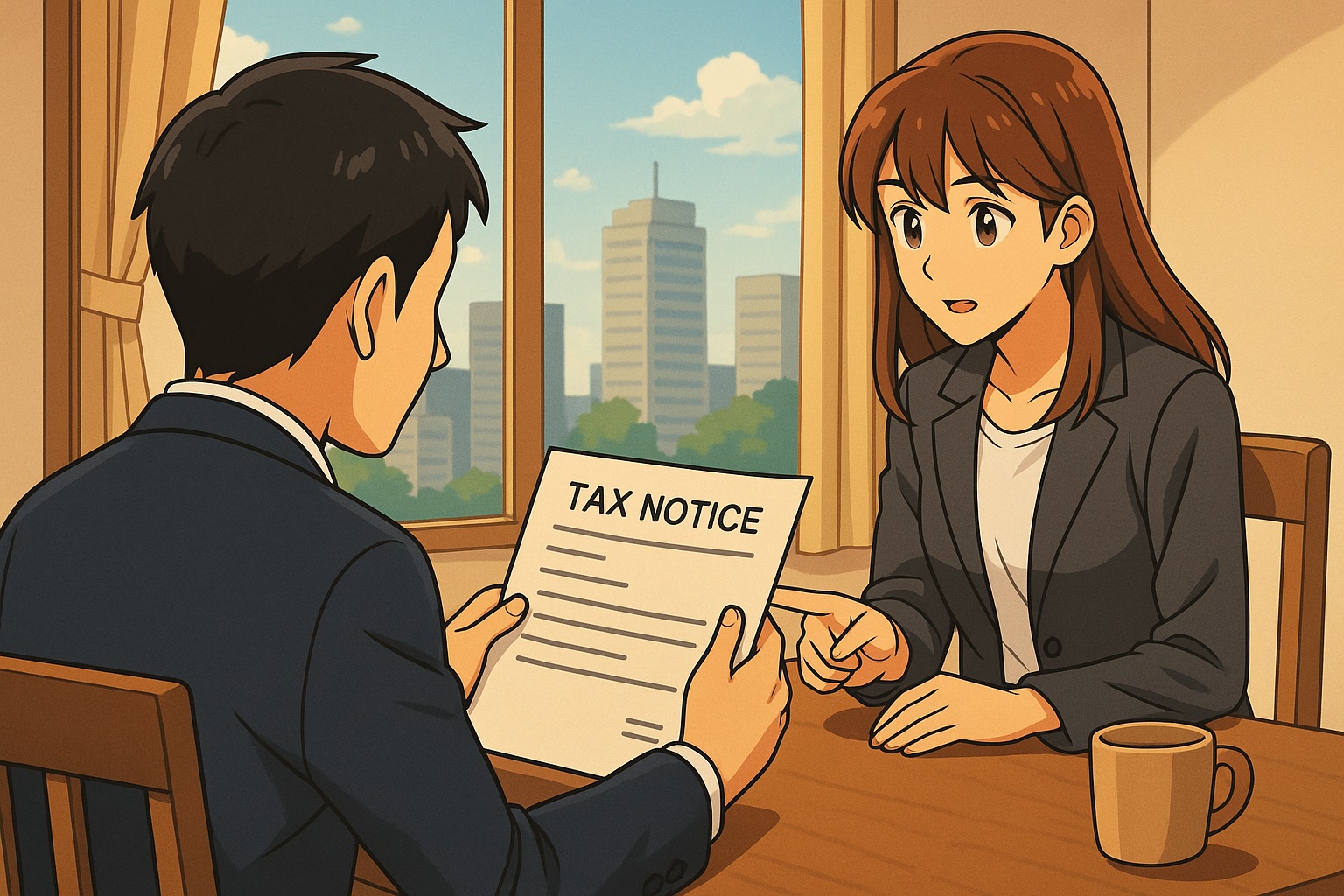
Once you purchase property in Japan, annual Fixed Asset Tax and City Planning Tax become unavoidable costs. Unlike initial acquisition expenses, these recurring charges can significantly affect long term profitability. A clear grasp of how they are calculated is essential for effective planning.
⸻
1. Basics of Fixed Asset Tax
Fixed Asset Tax is a local tax levied on property owners as of January 1 each year. The standard rate is 1.4% applied to the assessed value determined by the municipality. This assessed value is usually lower than the market price.
For example, if the assessed value is ¥30 million, the annual tax would be about ¥420,000.
⸻
2. Overview of City Planning Tax
City Planning Tax applies to properties located in designated urbanized areas. The maximum rate is 0.3%, though the actual rate varies by municipality. It funds urban development and land readjustment projects.
Using the same ¥30 million example, at 0.3% the additional annual burden would be ¥90,000.
⸻
3. Practical Considerations and Case Example
Payment notices usually arrive between April and June, with the option to pay in four installments or in one lump sum.
One owner faced unexpected bills exceeding ¥500,000 in the first year, creating cash flow strain. Had they reviewed the assessed value in advance, they could have planned accordingly.
Newly built residences may qualify for temporary reductions, saving tens of thousands of yen, so checking eligibility beforehand is recommended.
⸻
Takeaway
Fixed Asset Tax and City Planning Tax are unavoidable post acquisition costs that must be built into financial planning. Knowing the assessed value, tax rates, and payment schedule in advance ensures stable cash flow and avoids unpleasant surprises.
⸻