When signing a lease in Japan, tenants and landlords must navigate three key deposits: shikikin, reikin, and hoshokin. Each has a different legal nature, refund policy, and local custom, making them a common source of conflict. This article clarifies their differences and offers practical steps to avoid refund disputes.
⸻
1. Definitions and Key Characteristics
・Shikikin Typically 1–2 months’ rent held as a refundable security deposit. Unpaid rent and restoration costs are deducted and the balance returned at move-out.
・Reikin Usually 1–2 months’ rent paid as non-refundable key money to the landlord.
・Hoshokin A large refundable deposit used mainly in commercial leases. In a part of Kansai area, up to 30 % may be withheld on exit as a regional custom.
⸻
2. Dispute-Prevention Measures
・Specify restoration rules and deduction criteria in the lease.
・Use photo-based inspection checklists at move-in and move-out.
・Follow the Ministry of Land guidelines to allocate repair costs fairly.
・Issue a detailed settlement statement and keep proof of payment.
⸻
3. Example Case
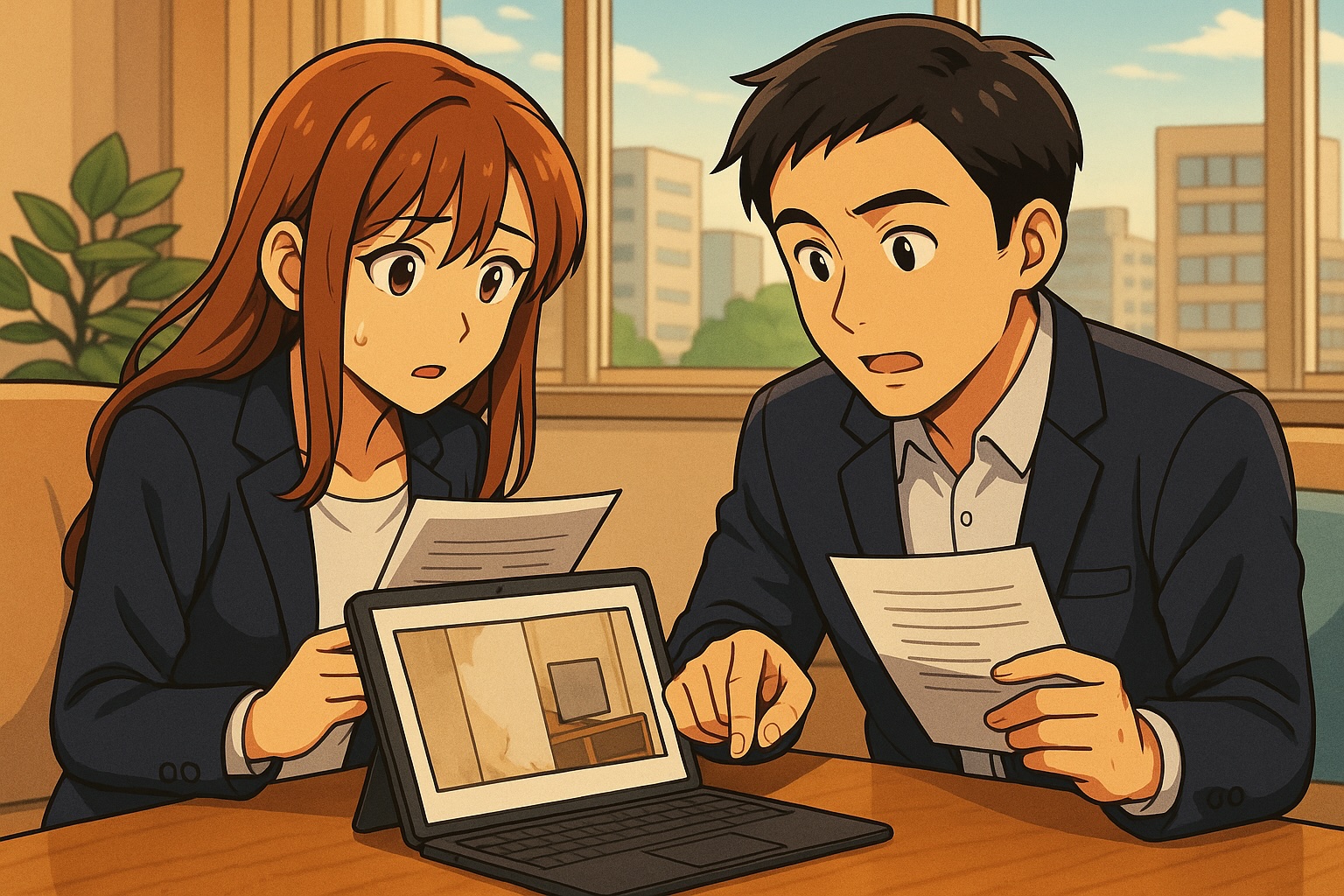
A Tokyo studio lease held ¥200 000 as shikikin. At move-out, the landlord tried to deduct the full amount for wallpaper replacement. Photos taken at move-in showed prior damage, leading to a negotiated refund with ¥100 000 returned. Documentation and photos were crucial to the resolution.
⸻
Takeaway
Remember: Shikikin is generally refundable, reikin is not, and hoshokin follows contract-specific deduction rules. Thorough inspections, clear lease clauses, and guideline-based settlements greatly reduce refund disputes.