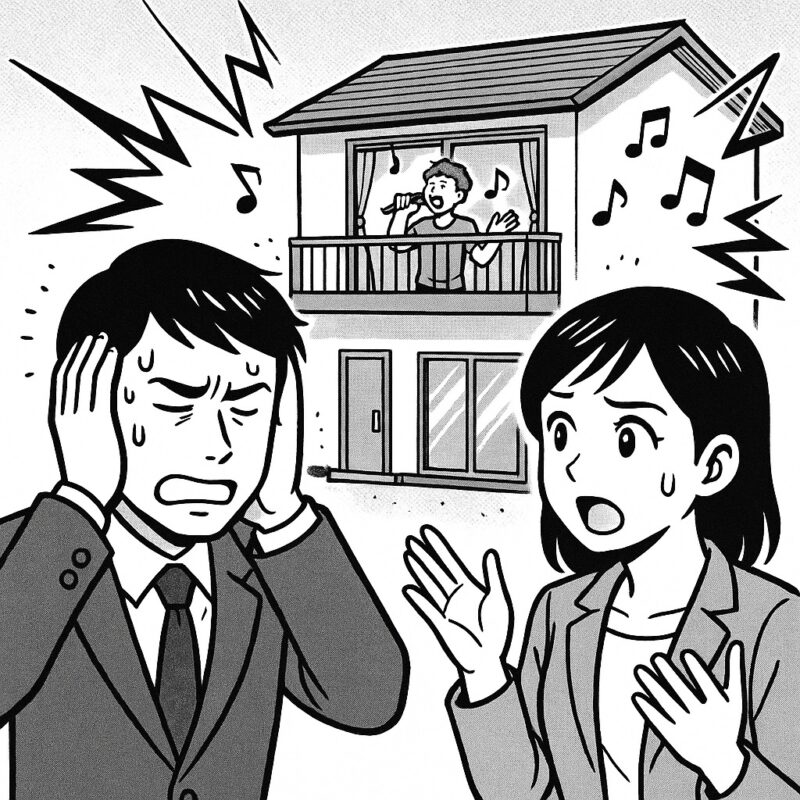
1. Structure of noise risk
Noise complaints are one of the fastest ways a short term rental can face operational restrictions. In wooden structures or buildings over 30 years old, sound insulation tends to be weak and even small sounds can transmit between units. Areas with strong tourism demand often see more late night arrivals, increasing the risk of conflicts.
2. Reducing noise through equipment and operations
The starting point is understanding the building’s performance. If partition walls are under 100 millimeters, sound transmission is typically high. In such cases, simple measures such as under door sealing or sound absorbing mats costing ¥10,000 to ¥30,000 can noticeably improve conditions.
Operationally, a quiet hours rule after 22:00 should be clearly stated and reinforced through automated check in messages. Smart keypad locks help reduce unnecessary door opening and slamming.
3. Practical example
Consider a studio unit receiving two late night noise complaints per week. On site inspection revealed that the entrance door alignment was poor and produced a loud impact noise when closed. Adjusting the door and adding cushioning materials cost ¥12,000, after which complaints dropped to zero while occupancy remained stable. Combining physical improvements with operational control can deliver significant results with minimal investment.
Takeaway
Noise mitigation is a low cost, high impact strategy that protects the stability of short term rental operations. By checking building performance and enforcing clear operational rules, you can prevent neighbor disputes and build a sustainable long term operating environment.