For investors operating short‑term rentals, compliant fire protection systems and periodic inspections are critical to both yield and reputation. National law applies, yet requirements vary by municipality and by asset profile, so build compliance into design, contracting, and ongoing operations.
1. Confirm the legal classification
Whether the asset is treated as hotel‑type or private lodging determines the need for automatic fire alarms, manual warning devices, emergency lights, and evacuation equipment. Secure written confirmation through early meetings with the fire department and building control before procurement.
2. Commonly required components
Install smoke or heat detectors in bedrooms and kitchens, emergency lights where corridors bend, alarm bells in common areas, sized fire extinguishers, and evacuation devices for upper floors as applicable. Requirements depend on floor count, area, and mixed use, so align the drawings and obtain approval.
3. Inspection cycles and competence
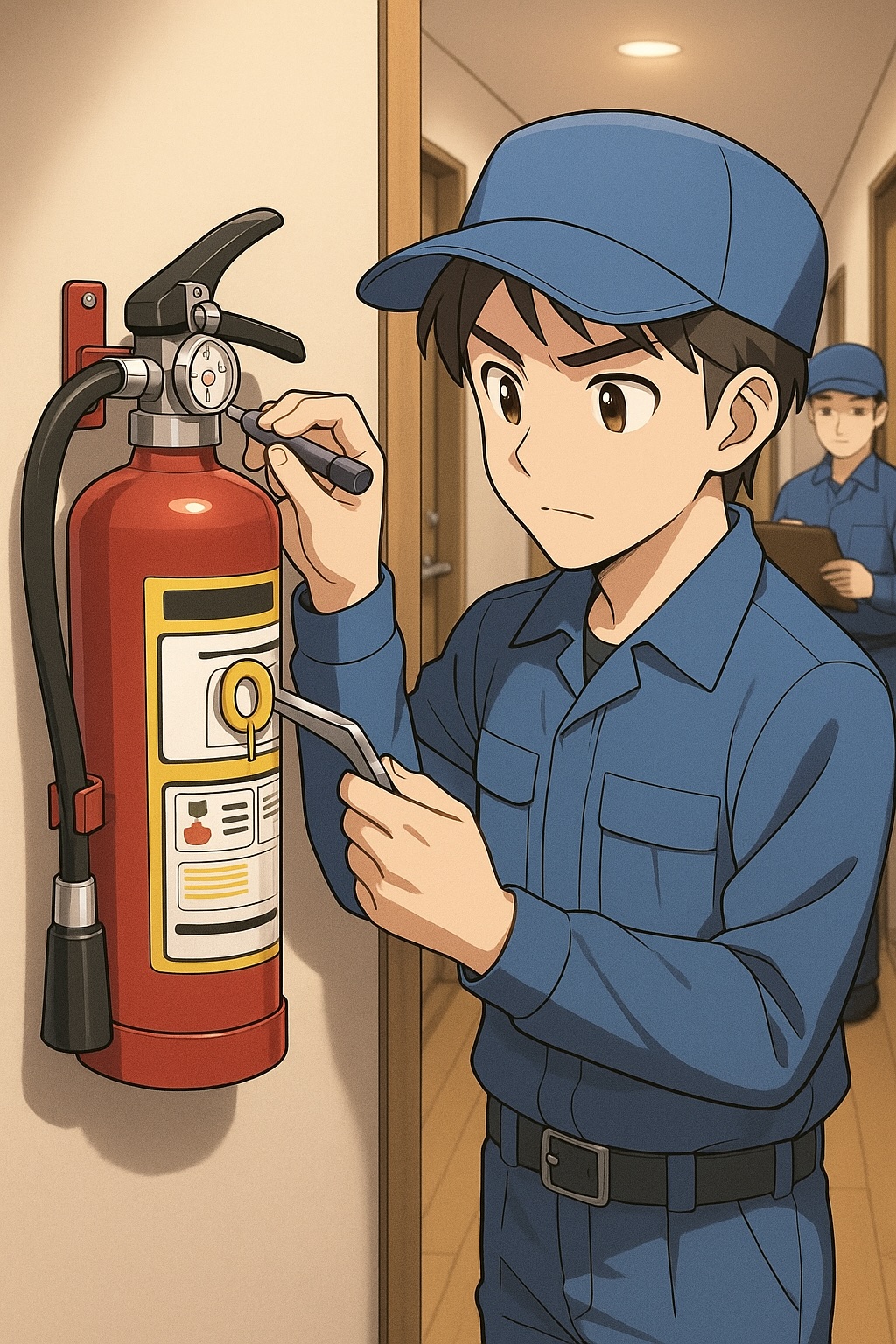
For specified occupancies the typical cycle is every 6 months for equipment checks and annually for comprehensive checks. For non‑specified occupancies it is annually and every 3 years respectively. Use licensed fire protection engineers or certified inspectors, keep reports and remediation records for at least 3 years.
4. Cost and ROI
Indicative ranges for a small unit are ¥50,000–¥150,000 for initial installation and ¥20,000–¥80,000 per year for inspection and maintenance. Penalties, forced closures, and lost revenue often exceed these figures. Treat maintenance as a fixed line in your cash‑flow model to stabilize return calculations.
5. Practical workflow
Start with classification, proceed to system design and pre‑consultation, then installation, completion inspection, required notifications, and initial evacuation drill before opening. During operations, maintain an annual inspection plan, routine function tests, timely remediation, and controlled lead times for parts.
6. Short‑term‑rental specifics
Guests are unfamiliar with the premises and mostly present at night, so prioritize multilingual evacuation guides, high exit visibility, auto‑dial where permitted, and a 24‑hour emergency contact. Send house rules and escape routes pre‑check‑in and display them in‑room in print and via QR.
7. Takeaway
Compliance and records underpin insurance coverage and business continuity. By locking in classification, securing design approval, and executing inspections, remediation, and record retention, you protect occupancy and yield for your short‑term rental investment.