1. Impact of noise on returns
In short term rentals, noise complaints can lead to corrective guidance from authorities and strained neighborhood relations. In severe cases, suspension of operations or lower platform ranking reduces occupancy and damages expected yield. Early controls are essential.
2. Preventive setup
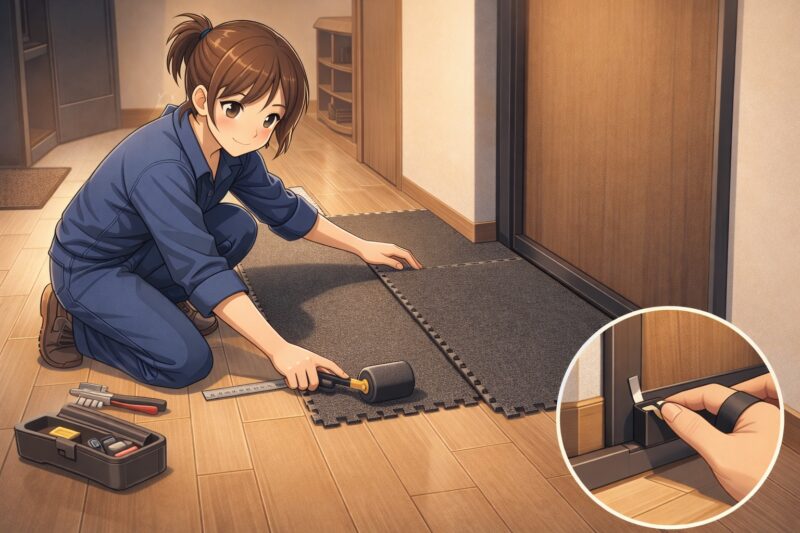
Inside the unit, install sound absorbing mats and door insulation to reduce late night noise. Clearly state quiet hours after 22:00 in house rules and reconfirm at check in. Limiting guest numbers to below maximum capacity is also effective.
3. Response flow when issues arise
Centralize complaints through a 24 hour contact, aiming for an initial response within 30 minutes. Contact the guest directly, resolve the issue, and keep a written log. To prevent recurrence, review booking conditions and adjust pricing or minimum stay if needed.
4. Risk management example
With 20 bookings per month, 2 noise complaints can drop ratings from 4.6 to 4.3. A 5 percent ADR decline on ¥300,000 monthly revenue equals a ¥15,000 loss per month or ¥180,000 per year, often exceeding preventive costs.
Takeaway
Noise control in short term rentals is not a cost but risk protection. Combining equipment measures, clear rules, and fast response safeguards reviews and neighborhood trust, supporting stable long term performance.